
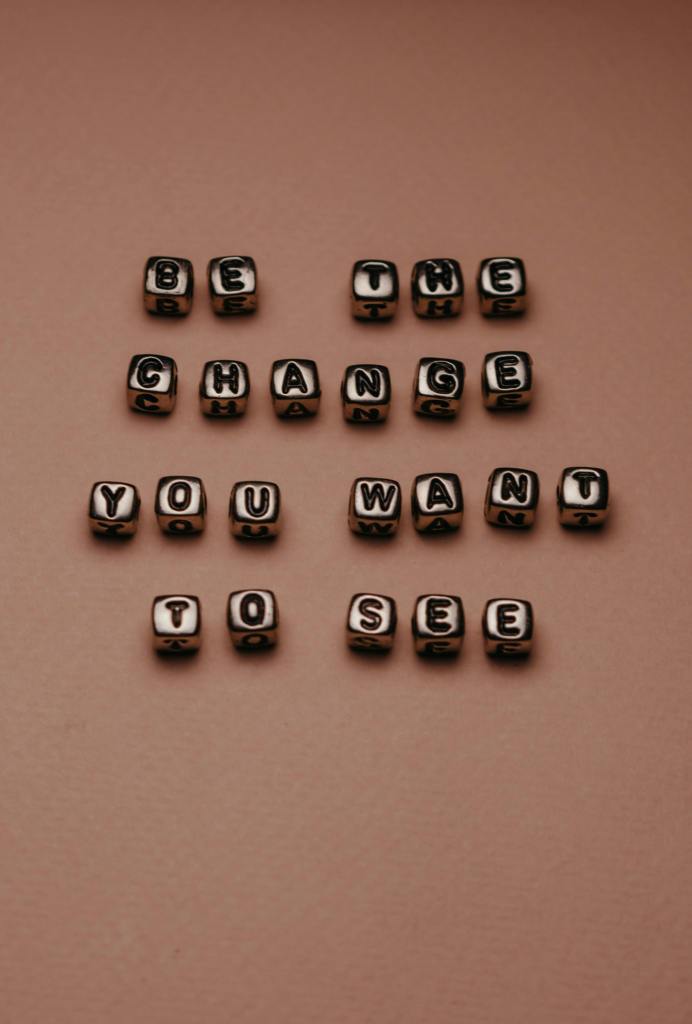
In my previous blog post Thrown in the Deep End, I lightly touched on the concept of Thrownness, an idea introduced by philosopher Heidegger — that we’re all born into circumstances already unfolding, with no say in the matter. Today, I want to revisit that idea from a slightly different angle. This time, I want to explore how the environments we’re “thrown” into can quietly shape us into people we never intended to become — sometimes the very people we once feared or resented.
Because the truth is, if we don’t slow down every now and then and take a real, honest look at how our environment has influenced us, we might never notice how we’ve picked up habits, patterns, and reactions that don’t really belong to us — they belong to the chaos we once had to survive.
None of us arrived here with a blank slate. We were all born into something — families, beliefs, patterns, pain, noise. Some of us were loved out loud, some only knew love through silence and sacrifice. Some had to grow up too quickly, learning early that the world isn’t always kind. Others were given softness and safety and grew up thinking that was normal.
That beginning? It shapes everything — how we see ourselves, how we love, how we trust, how we react under pressure.
Take someone who grew up in a household where love came with fear. Where raised voices meant danger. Where apologies were rare, and affection was a reward earned only after pain. It’s not far-fetched that this person, later in life, might struggle to express love in healthy ways. They might lash out before they can name their feelings. They might confuse control with care. And sadly, if they never stop to reflect, they might unknowingly become the same kind of environment that once broke them.
That’s the weight of unexamined environments — they repeat themselves through us.
Another example? Someone who was constantly belittled growing up — told they were “too much” or “not enough” — may grow into someone overly critical of others. Not because they’re naturally harsh, but because criticism is the language their world taught them to speak. They may unknowingly pass that same pressure onto their friends, their team, even their own children.
These patterns aren’t about good or bad people. They’re about how unhealed environments have the power to echo — through generations, through relationships, through workplaces, through casual conversations. That’s why awareness is everything.
Because while we are shaped by our environments, we also shape the environments others grow in. We’re no longer just the children in the room. We’ve become the adults now — the friends, the partners, the coworkers, the mentors, the strangers in someone’s story.
So what kind of space are you creating?
Are you offering the kind of patience you once needed? Do people breathe easier when they’re around you — or do they tiptoe like you once did? Are you continuing the noise — or becoming the calm?
This post isn’t to shame or guilt anyone. It’s to remind us that our impact matters — even in moments we think are small. It’s to remind you that breaking the cycle doesn’t always look like grand acts of rebellion. Sometimes it’s just sitting with your anger instead of throwing it. Sometimes it’s telling your inner child, “We’re safe now.” Sometimes it’s choosing not to respond the way you were once responded to.
The truth is, none of us had control over how our story started — but we get to choose what kind of atmosphere we carry forward. We can still become what we once needed.
You are not just a product of your environment. You are a creator of new ones.
So be gentle. With yourself. With others. You never know who’s still healing from the kind of environment you now have the power to shift.
 GrowingUp Chronicles
Leave a comment