
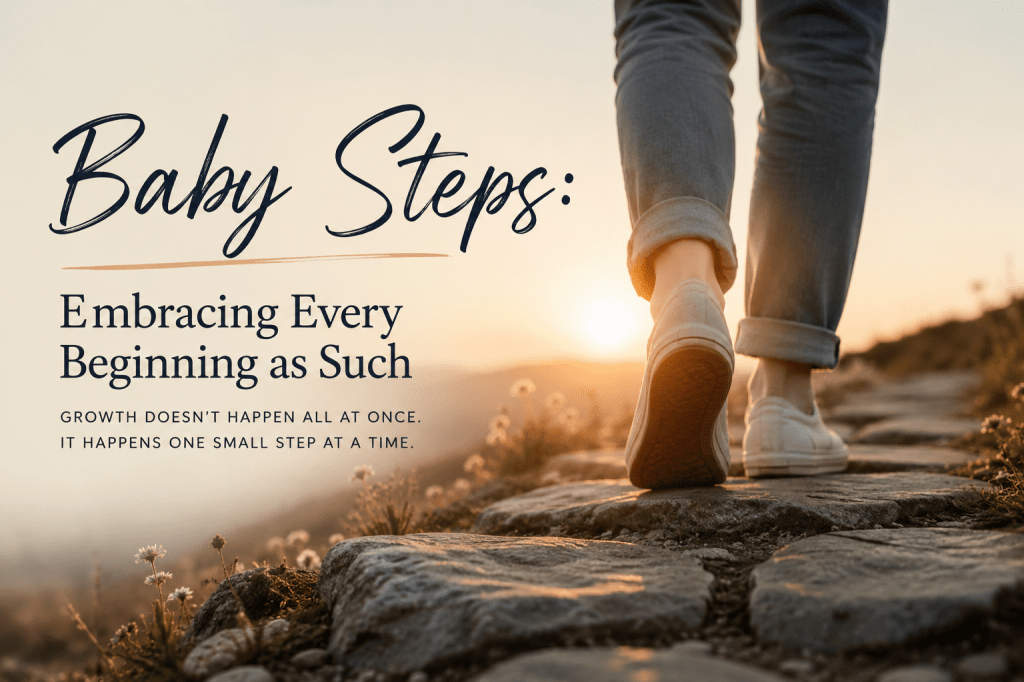
One thing about life is that it keeps teaching, whether we feel ready for it or not. It often does this in the most inconvenient moments, just when we think things are finally settling, just when we think we have figured something out, something shifts again. We are back in a space where we have to adjust, rethink, or simply learn something new about ourselves.
And what makes it even more interesting is that life does not introduce these moments gently; it rarely says, “You are about to learn something here.” It simply places us in experiences that demand a response before we have fully understood the question.
We start noticing, if we are honest, that this is not something that happens occasionally, but something that happens repeatedly, because life does not seem to move in straight lines; it moves in layers, and every time we think we have reached a certain level of understanding, another layer opens up that requires something different from us, not necessarily more, just different.
And maybe that is where the discomfort begins, because somewhere along the way many of us start believing that getting older means getting more certain, more ready, more complete, yet real life experience has a quiet way of challenging that belief, because the more we move through different seasons, the more we realise how often we are still beginners in areas we assumed we would have mastered by now.
It can be something as ordinary as starting a new job and realising you are still asking questions months later, or trying to build something of your own and feeling like progress is slower than expected, or entering a new emotional season and discovering that old patterns still surface even when you thought you had outgrown them. In those moments, it becomes very easy to misread the situation as a failure rather than recognizing it as unfamiliar.
The truth, though, is that we are very good at understanding this process when it belongs to someone else, we know that nobody becomes confident overnight, we know that repetition builds skill, we know that mistakes are part of learning, but when it becomes personal, when it is our own life and our own timing, that same understanding becomes much harder to hold onto, and suddenly what is actually part of learning starts to feel like falling behind.
That is where the idea of baby steps in life starts to matter differently, not as a motivational phrase, but as a reminder of how real change actually happens, because when you look closely at the moments that truly shift a person’s life, they are rarely dramatic in real time; they are usually very small decisions that do not feel significant while they are happening.
It is someone choosing to show up again after they did not get it right the first time, or having a conversation they have been avoiding, or trying again after disappointment, or slowly building a habit that does not yet feel rewarding. None of these things feels like a turning point in the moment, but over time, they become the structure on which everything else is built.
And maybe the reason they feel so small is that growth rarely announces itself while it is happening; it does not come with clarity attached to it, it often feels like repetition, or uncertainty, or even delay. Still, when you look back at it later, you realise that the “small” things were actually the process the entire time.
Life keeps repeating this pattern in different ways, placing us in situations we have never been in before, not because we are failing, but because no version of us arrives fully prepared for everything we will eventually face, so every new season introduces a slightly different version of who we are becoming. That version has to learn its way forward.
And that means being a beginner is not something we outgrow; it is something we return to again and again, in different forms, in different areas of life, sometimes emotionally, sometimes mentally, sometimes practically, but always in ways that require patience with ourselves.
So the baby-step approach is not really about productivity or discipline in the way it is often presented, it is more about acceptance, about recognising that we are allowed to be in the middle of learning without rushing ourselves out of it, about doing what we can with what we have while we are still figuring out what we need, and about trusting that understanding usually comes after movement, not before it.
There is a kind of freedom in that, not the loud kind, but the quiet kind that removes the pressure to already be someone you are still becoming, and makes room for mistakes without turning them into identity, and softens the whole idea of progress so that it feels less like perfection and more like continuation.
After all, every life begins the same way, with a step taken before certainty arrives, and maybe the difference is not in who has it figured out and who does not, but in who is willing to keep taking the next step while they are still becoming.
 GrowingUp Chronicles
Leave a comment